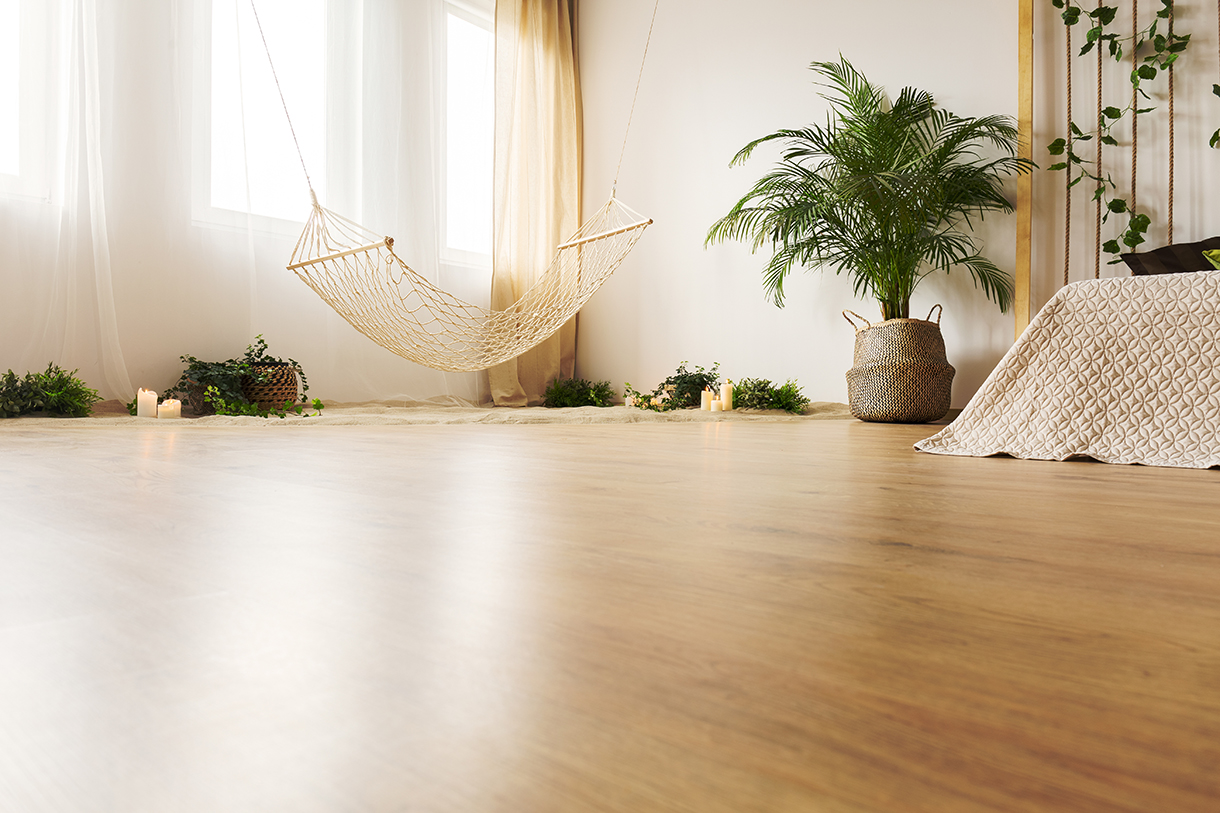
Original hardwood can be one of the most distinctive features in an older Edmonton home.
Careful hardwood floor restoration Edmonton character homes deserve can bring the original wood back without erasing the age that makes it distinctive.
Years of use may leave the surface scratched, faded or covered by a later flooring material, while the wood beneath may still offer significant restoration potential. Professional repair and refinishing can reveal the grain, colour and craftsmanship of the original floor while preparing it for many more years of everyday living.
Edmonton includes several recognized historic and character areas, including Alberta Avenue, Old Strathcona, Westmount and the 96 Street Church Street area. The City of Edmonton also documents historic residences that continue to retain original hardwood and other interior woodwork more than a century after construction.
For homeowners renovating an established property, assessing the existing hardwood can be an important first step before selecting new flooring.
Original hardwood contributes warmth, natural variation and a visible connection to the history of the home.
Older floors may feature board dimensions, grain patterns, installation details or wood characteristics that create a distinctive appearance. Narrow-strip layouts, parquet patterns, decorative borders and natural colour variation can all contribute to the personality of the space.
Restoration also allows homeowners to work with material already present in the home. The floor can often be repaired, sanded, stained and protected with a fresh finish that complements both the home’s original architecture and the homeowner’s current style.
A restored hardwood floor can feel fresh and polished while continuing to belong naturally within the home.
A professional assessment begins with the condition and construction of the floor.
The flooring specialist will look at board stability, remaining wood thickness, previous sanding, surface wear, moisture conditions and the state of the subfloor. The assessment may also identify localized repairs that can be completed before the full floor is refinished.
Many established floors retain strong restoration potential when the boards remain secure and enough usable wood remains above the tongue-and-groove connection.
The number of times a hardwood floor can be sanded varies according to the thickness of the wood, previous refinishing, floor flatness, equipment and the condition of the boards. Flooring industry guidance recommends evaluating these factors together before planning a full sanding project.
Sanding and refinishing can renew many common signs of age and use.
The process can improve widespread surface scratches, faded stain, worn traffic areas, uneven sheen and sections where the protective finish has become thin. Sanding creates a clean and consistent wood surface that can receive new stain, sealer and protective finish.
Flooring industry guidance supports complete sanding and refinishing for floors with deeper scratches, dents, visible damage or finish wear that has reached the bare wood.
Localized repairs may be completed before sanding so the restored boards and surrounding floor can be finished together.
Individual boards or concentrated sections can often be replaced while preserving the rest of the floor.
Successful board replacement begins with careful matching. The species, width, thickness, profile, grain, grade and age of the existing flooring all influence the selection of replacement material.
Older board dimensions may require additional sourcing or custom preparation. Reclaimed material may also offer useful matching possibilities for some projects.
Once the replacement boards are installed, sanding, staining and colour blending help integrate the repaired section with the surrounding hardwood. Natural changes through light exposure and everyday use can support further blending over time.
Many water-stained floors have several restoration options available.
The appropriate approach depends on the source of the moisture, depth of the staining and condition of the boards and subfloor. A surface mark may respond to sanding, while deeper discolouration may benefit from individual board replacement or a stain colour selected to create a cohesive finish.
Moisture conditions should be assessed and stabilized before restoration begins. This allows the hardwood and subfloor to reach suitable conditions before sanding, staining or replacing material.
An in-home assessment can help determine how deeply the staining extends and which restoration method offers the most balanced result.
Gaps are common in many established hardwood floors because wood responds naturally to indoor humidity and seasonal conditions.
The size, location and movement of each gap help guide the repair. Small, consistent spaces may be part of the floor’s established character. Larger or concentrated gaps may benefit from board adjustment, carefully selected wood strips, localized repair or attention to the subfloor.
A flooring professional can also determine whether the gaps change with the seasons. This information helps guide the timing and materials used for any repair.
The goal is to create a stable, visually cohesive floor while allowing the hardwood to respond naturally to the home’s indoor environment.
Many squeaks can be improved once the source of movement is identified.
The sound may originate from boards moving against one another, movement around fasteners or flexing within the subfloor. Older homes may also include previous repairs, additions or structural changes that influence the flooring assembly.
The repair method depends on access, location and the condition beneath the hardwood. A focused hardwood floor repair may secure the affected area, while a broader restoration project can provide an opportunity to address several sections before refinishing begins.
Investigating the source first helps preserve the visible surface and supports a lasting repair.
Refinishing gives homeowners an opportunity to update the colour while retaining the original wood.
Once the previous finish and stain have been sanded away, the natural colour and grain of the floor become visible. Homeowners can then compare stain samples directly on the wood to see how each option responds to the species, lighting and surrounding interior finishes.
Natural and warm wood tones can highlight the age and character of the flooring. Medium and deeper stains can create richness and help blend some colour variation between original and repaired boards.
The sheen also shapes the final appearance. Matte and satin finishes offer a softer look, while higher-sheen finishes reflect more light and emphasize the surface.
Samples prepared within the home provide the clearest representation of the finished colour.
Original hardwood can complement contemporary interiors beautifully.
A refreshed natural finish can create a warm foundation for modern cabinetry, furnishings and wall colours. A new stain can also connect the floor with updated millwork, railings or adjoining rooms.
Transitions between original hardwood and newly installed flooring can be planned carefully. Matching board dimensions, coordinating colours or creating a deliberate transition can help the spaces flow together.
Some renovations preserve hardwood in the main living areas while introducing new material in additions, kitchens, entrances or lower levels. Thoughtful product selection allows the complete home to feel connected while respecting the needs of each room.
The process begins with an in-home assessment and a discussion of the homeowner’s goals.
The flooring is evaluated for board condition, remaining thickness, previous coatings, moisture, repairs and subfloor concerns. Furniture and room preparation can then be planned according to the project scope.
Repair work may include replacing boards, securing movement, addressing gaps and preparing damaged areas. The floor is then sanded through a series of stages to create a smooth and consistent surface.
Stain can be applied when a colour change is part of the project. The floor is then sealed and protected with the selected finishing system.
Curing time depends on the products used, room conditions and number of coats. The project schedule should explain when light foot traffic, furniture, rugs and regular household activity can safely return.
Regular care helps preserve the new finish and appearance of the floor.
Dry cleaning with a soft broom, microfibre mop or hard-surface vacuum removes dust and grit. Spills can be wiped promptly with a soft cloth, and a cleaner suited to the specific finish can be used when needed.
Protective pads beneath furniture help reduce surface marks. Entrance mats can capture moisture and grit, while stable indoor humidity supports the hardwood throughout Edmonton’s changing seasons.
The finishing system may also allow for a future maintenance coat. Refreshing the protective surface at the appropriate time can extend the period before another complete sanding becomes beneficial.
Original hardwood can become a central feature of an older Edmonton home once its condition, repair needs and refinishing potential are understood.
Careful board matching, skilled sanding, thoughtful colour selection and a suitable protective finish can renew the floor while preserving the natural variation and craftsmanship that make it distinctive.
With more than 40 years of experience serving Edmonton and surrounding communities, Freedom’s Flooring provides hardwood repairs, board replacement, colour blending, sanding, refinishing and restoration for established homes.
Thoughtful hardwood floor restoration Edmonton heritage properties call for protects both the wood and the history it carries.
Contact Freedom’s Flooring to arrange an assessment of your original hardwood.
Let’s bring your vision to life. Get in touch for a free quote, explore flooring samples, or book your in-home consultation today.
LVP or laminate? A side-by-side comparison of moisture performance, durability, comfort underfoot, radiant-heat compatibility and 2026 Edmonton pricing.
Snow, slush and dry heating season all test a floor. Compare luxury vinyl plank, engineered hardwood, laminate and solid hardwood for Edmonton winters.
Which hardwood floor changes are normal seasonal movement and which ones need repair? A guide to gaps, squeaks, cupping, buckling and scratches in Edmonton…
Let’s bring your vision to life. Get in touch for a free quote, explore flooring samples, or book your in-home consultation today.
Proudly serving Edmonton homeowners and businesses, our experienced team helps you transform your space with expert flooring installation, personalized service, and transparent pricing—every step of the way.
© 2026 Freedom’s Flooring Ltd. • All Rights Reserved
Website Designed and Managed by Schif And The City