Edmonton’s record-setting rainfall has placed moisture management at the forefront for homeowners across the city.
Most cases of hardwood floor water damage Edmonton homeowners report begin quietly, with a raised board edge or a soft spot underfoot rather than standing water.
Between June 1 and July 26, 2026, a City of Edmonton rain gauge recorded 511 millimetres of rain. That total had already surpassed Edmonton’s average precipitation for an entire year, with several weeks of summer still remaining. Repeated storms have also saturated the ground and placed added pressure on local drainage systems.
For homeowners, prolonged rainfall can bring greater moisture around foundations, entrances, basements and indoor living spaces. Hardwood responds naturally to changes in moisture, which makes early observation especially valuable during an unusually wet season.
Understanding what to watch for can help Edmonton homeowners protect their floors and respond promptly when changes appear.
Hardwood gains and releases moisture as the surrounding environment changes.
During humid conditions, wood can absorb moisture and expand. During dry conditions, it releases moisture and contracts. This natural movement occurs throughout the year, although rapid or prolonged changes in moisture can create more noticeable effects.
Heavy rainfall can influence hardwood floors in several ways. Water may enter through a foundation, window, exterior door, roof or plumbing system. Wet footwear can carry moisture across entrances and hallways. A damp basement or crawl space can also raise moisture levels beneath the flooring and subfloor.
The National Wood Flooring Association explains that hardwood can swell or cup as it gains moisture. Consistent indoor conditions help support more stable performance throughout seasonal changes.
Cupping occurs when the edges of each hardwood board rise higher than the centre. The floor may begin to look gently rippled or wavy, especially when viewed across the light.
This shape often develops when the underside of the flooring contains more moisture than the surface. A damp subfloor, moisture entering from below, a nearby leak or elevated indoor humidity can all contribute.
Cupping may appear across an entire room or within a smaller area near an entrance, exterior wall, appliance, window or basement foundation.
The source and duration of the moisture help determine the appropriate next step. Once the moisture source has been addressed, the floor may begin to stabilize. A professional assessment can measure conditions within the hardwood and subfloor before repair or refinishing decisions are made.
Buckling occurs when hardwood boards lift away from the surface beneath them or form a raised section across the floor.
A significant increase in moisture can cause the boards to expand beyond the available space. Water entering beneath the flooring, saturated subfloor materials, restricted expansion space and prolonged moisture exposure can all contribute.
Raised flooring deserves prompt attention, particularly when the affected section is growing or changing the way the floor feels underfoot. Early assessment can help identify the source and preserve a wider range of repair options.
Depending on the conditions, restoration may involve drying and stabilizing the area, correcting the subfloor, replacing affected boards or refinishing the repaired section.
Moisture changes can affect the movement of both the hardwood and the materials supporting it.
A new squeak may develop when boards begin moving against one another, around fasteners or over a changing subfloor. A section that feels softer, more flexible or slightly raised may also point to movement beneath the visible surface.
Gaps are more commonly associated with hardwood losing moisture, although repeated expansion and contraction can create changes around board edges, transitions and previously repaired areas.
The location and timing of the change provide helpful information. A new noise or visible shift that appears during a period of heavy rainfall may justify a closer look at the surrounding floor, walls and subfloor.
Moisture-related changes can begin subtly.
Homeowners may notice raised board edges, a gentle wave across the floor, changes in sheen, darkened areas, cloudy finish, new squeaks or movement underfoot. A musty smell, damp baseboards or moisture around an exterior wall can also provide useful clues.
The flooring may feel different before the change becomes visually obvious. Paying attention to a soft area, raised seam or newly uneven section can help identify an issue early.
Photographs can also be useful. Taking clear images from the same angle over several days creates a record of how quickly the floor is changing and gives a flooring professional helpful context during an assessment.
Begin by addressing the source of the water and removing visible moisture promptly.
Absorb standing water with dry towels or a suitable wet vacuum. Move damp mats, footwear and furniture away from the affected area. Gentle air circulation and appropriate dehumidification can support the drying process.
The National Wood Flooring Association recommends cleaning up spills promptly and maintaining consistent indoor humidity because wood responds to moisture on its surface and in the surrounding air.
A significant leak, foundation event or widespread water exposure may also involve the subfloor, wall materials and nearby rooms. Documentation through photographs, dates and notes can support conversations with restoration professionals or an insurance provider.
A flooring assessment can then determine how far the moisture travelled and whether the hardwood has begun to stabilize.
Moisture assessment and stabilization come before sanding.
As hardwood dries, the shape and moisture content of the boards may continue to change. Evaluating the floor too early can provide an incomplete picture of its final condition.
A professional can measure moisture levels in the hardwood, subfloor and surrounding areas. Once the materials reach suitable conditions, the floor can be assessed for refinishing, localized board replacement or another restoration approach.
This measured process helps preserve the hardwood and supports a smoother, more consistent finished result.
Many moisture-affected hardwood floors can be restored.
The outcome depends on the amount of water, the length of exposure, the flooring construction, the condition of the subfloor and how the boards respond as they dry.
A small affected area may be addressed through localized board replacement and colour blending. A larger section may benefit from sanding and refinishing after the flooring stabilizes. Original hardwood in an older Edmonton home may also be carefully matched and repaired to preserve its existing character.
Early response and professional evaluation create the strongest opportunity to retain as much of the original floor as possible.
A few practical habits can help manage moisture throughout rainy periods.
Absorbent mats placed inside exterior doors can capture water and grit from footwear. Mats should be lifted regularly so moisture can dry beneath them. Wet shoes, umbrellas and pet supplies can be kept on a moisture-resistant surface near the entrance.
Checking basements, exterior walls, windows and doors after a major storm can reveal water entry early. Monitoring indoor humidity can also help homeowners understand how changing outdoor conditions are affecting the interior environment.
The National Wood Flooring Association recommends maintaining indoor humidity within the range provided by the flooring manufacturer, with 30 to 50 per cent serving as a general guideline for many wood floors.
Regular cleaning also supports the floor’s finish. A soft broom, dust mop or vacuum designed for hard surfaces can remove grit that enters during wet weather. Moisture can be cleaned with a dry or slightly damp cloth and a product suited to the floor’s finish.
A dehumidifier can help manage elevated indoor humidity during prolonged wet weather, especially in basements and lower-level rooms.
The ideal setting depends on the flooring, home and manufacturer’s recommendations. A hygrometer provides a simple way to monitor the relative humidity within the room.
Steady conditions are generally more supportive than rapid changes. A flooring professional can help interpret the readings when the floor is already showing visible movement.
A professional assessment is valuable when hardwood begins cupping, lifting, buckling, staining or moving underfoot.
An inspection can also help when a new squeak appears near a damp area, water has reached the subfloor or visible changes continue after the surrounding area has dried.
The assessment may include moisture readings, an examination of the flooring and subfloor and a review of the affected room. From there, the homeowner can receive guidance on stabilization, board replacement, colour blending, sanding, refinishing or subfloor preparation.
Edmonton’s unusually wet summer has given homeowners a timely reason to check entrances, basements and hardwood flooring for moisture-related changes.
Raised edges, lifting boards, staining, new movement and changes underfoot can all provide early signs that the floor would benefit from professional attention. A timely assessment can identify the source, clarify the condition of the hardwood and help preserve the existing floor wherever possible.
Freedom’s Flooring has served Edmonton and surrounding communities for more than 40 years. Our experienced team provides hardwood floor repairs, matching board replacement, localized sanding, colour blending, refinishing and subfloor preparation.
If you suspect hardwood floor water damage Edmonton weather has caused this season, an early assessment keeps more of your original floor in place.
Contact Freedom’s Flooring to arrange a professional hardwood assessment for your Edmonton home.
Let’s bring your vision to life. Get in touch for a free quote, explore flooring samples, or book your in-home consultation today.
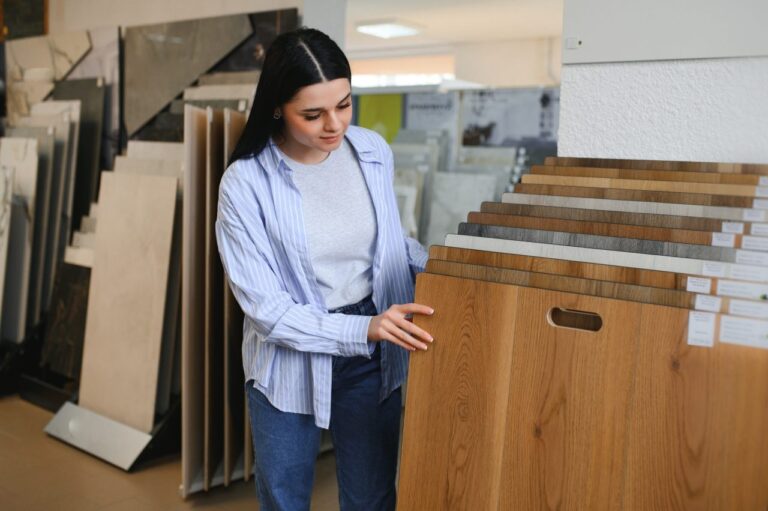
LVP or laminate? A side-by-side comparison of moisture performance, durability, comfort underfoot, radiant-heat compatibility and 2026 Edmonton pricing.
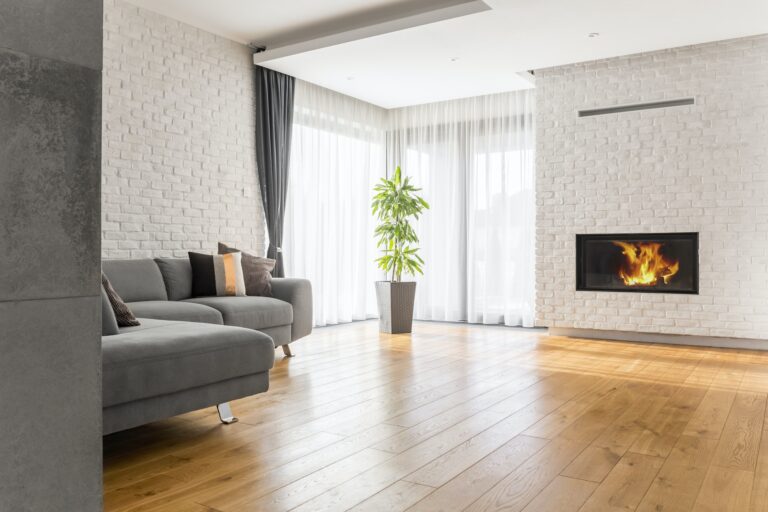
Snow, slush and dry heating season all test a floor. Compare luxury vinyl plank, engineered hardwood, laminate and solid hardwood for Edmonton winters.
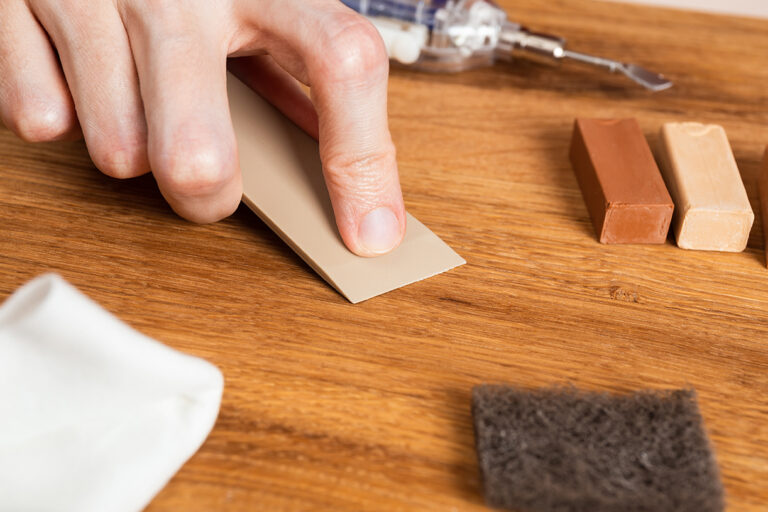
Which hardwood floor changes are normal seasonal movement and which ones need repair? A guide to gaps, squeaks, cupping, buckling and scratches in Edmonton…
Let’s bring your vision to life. Get in touch for a free quote, explore flooring samples, or book your in-home consultation today.
Proudly serving Edmonton homeowners and businesses, our experienced team helps you transform your space with expert flooring installation, personalized service, and transparent pricing—every step of the way.
© 2026 Freedom’s Flooring Ltd. • All Rights Reserved
Website Designed and Managed by Schif And The City